
Advice From One Ambivalent Writer to Another
What Betsy Lerner's craft book, THE FOREST FOR THE TREES, has to teach those of us who are our own worst problem as a writer

When my alarm went off at 5AM this morning, I did what I always do. I quickly shut it off to avoid waking my husband, then searched for excuses to keep sleeping. Normally, it’s very easy to find one — or three! Whether it’s the 70 lb dog lying on my feet, a late bedtime that’s left me groggy, or the warm comfort of my bed, I require minimal assistance in identifying a reason not to start my day early.
This morning, however, I woke up rested and nipped by cold, the temperature outside my window hovering at just below freezing. I’d slept a solid 7.5 hours, and the dog was happily snoozing on the other side of the bed.
I had no excuse but to get up and write. And, so, here we are.
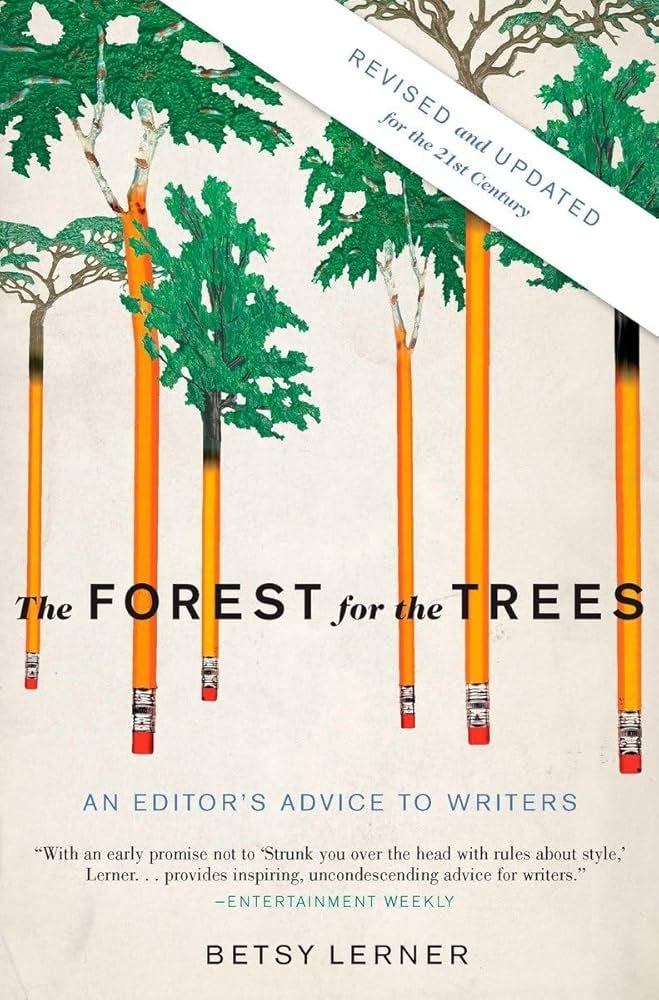
I am, what author/editor Betsy Lerner would call, an ambivalent writer. There’s nothing I want to do more every day than write, and there’s nothing I avoid harder.
Lerner’s craft book, The Forest for the Trees, is for people like me — writers who persistently get in their own way of creating. Whether we’re ruminating on which idea to explore, chasing perfectionism in a way that makes completion impossible, or leaping from genre to genre, trying to carve out our place in the writing world, an ambivalent writer is nearly always in a state of despair over their writing life. When asked, “How’s the writing going?” we have to actively stop ourselves from simultaneously strangling our conversation-mate and bursting into tears.
Other hallmarks of an ambivalent writer (according to Lerner)?
Being visited by a thousand brilliant ideas, and starting them all… or starting none
Confusing procrastination with “research” (ouch, this one hit hard)
Stressing over what’s selling in the “market,” instead of writing what feels true
And if you don’t feel seen yet, let me ask: What’s your personal response when asked how your writing is going?
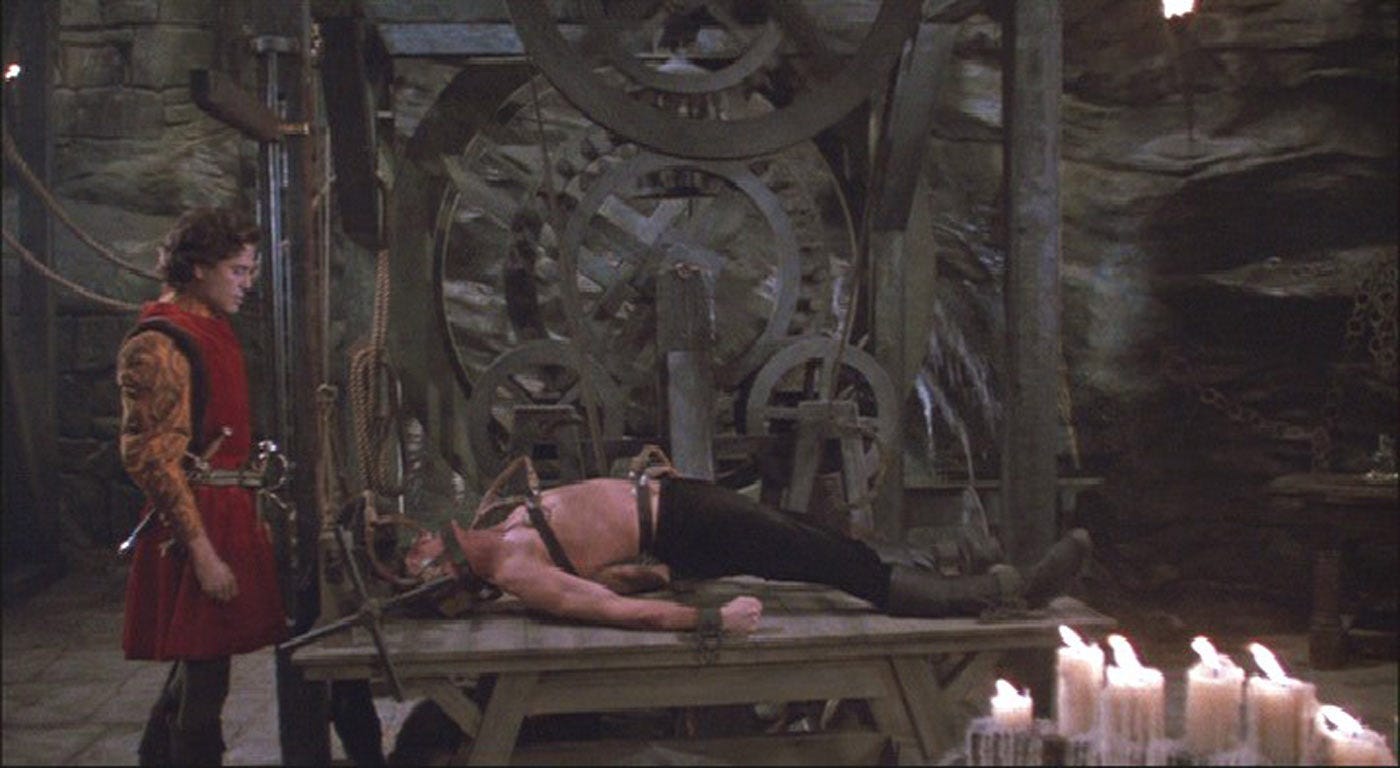
Being called to this vocation is a bit like being strapped to The Machine (please see below). We may wrestle, unavailingly, with our relationship to the creative process, but there is no escaping the degree to which we are locked into it. However, the real torture, we must admit, would be a life without writing. To be robbed of this outlet is akin to a life without oxygen.
So, how do we manage this tenuous relationship? How do we become less ambivalent about the thing we despise most, which also happens to be our lifesource?
Step #1: Surrender to it. The truth is that this relationship will always be madness. For many, being a writer means persistently oscillating between ecstasy and existential dread, often multiple times during the same 15-minute writing session. Accept this as normal instead of searching for evidence that it makes you crazy. Or worse, not a writer. Magic and shit are two perfectly acceptable answers to the question about how your writing is going, so it’s best not to get bogged down in shame. After all, this rollercoaster does not make you unique. It’s just writing.
Step #2: Mine your scraps. What should you be writing about? The things that matter to you, of course. It feels like an obvious answer, but it’s easy to get sidetracked on this mission, particularly in a culture that consumes massive loads of content. I’d love to write a quippy romance novel or a literary masterpiece of Donna Tartt caliber, or even a viral tweet, but if I follow Lerner’s advice to retrace my steps as a reader and writer over the course of my life, the breadcrumbs point to a different trail. I’ve always loved suspense. I love upmarket fiction. I love page turners, ambiguous endings, haunted things, and twisty-twists. I also love writing about my family (but I’ve kindly decided to give them a break).
Step #3: Chase your energy (and your emotions). During the winter of 2020, I found myself in such a state of rage about the world and all of the inequities laid bare by the pandemic that I was seized by inspiration. The premise of a novel arrived fully-formed, wrapped in a rage-colored bow, and I set my sights on writing it. The idea for the book was really quite good, and I felt passionately enough about it to turn out a shitty first draft. But when it came time to revise, I twiddled my thumbs. The clock kept ticking, and as it did, my rage began to dissipate into apathy, until, eventually, I lost my resolve to finish it. This is not the first time great ideas have been sacrificed to the hands of time. It happens frequently (a quick skim of my 45 unpublished Substack drafts will validate this), and each time, I’ve been reminded of an essential lesson: Chase your energies as they strike you. Few of us have the patience, passion, or stamina to fuel an idea for years on end. Divine inspiration is meant to be enjoyed in the present moment.
Step #4: Shut up and do it. Oh, fine. There’s really no piece of advice more valuable than the stupid reminder to just sit down and write. A bazillion craft books and Substacks (including mine) on the subject, and the inescapable truth has been before our eyes — not to mention our shoeboxes — for eons: Just do it. For the Mel Robbins fans, this means 5-4-3-2-1’ing yourself into the seat and putting some damn words on the page. Extra points if the words are crummy and you let them exist there anyway. As an editor, Lerner encountered wildly talented writers paralyzed by perfectionism. Can you imagine the world without Toni Morrison’s faculty of language or Mark Twain’s humor? A world in which anxiety causes Homer to stay home, and there is no Iliad or Odyssey? Our drive for perfection is literally the most boring thing about us, so why give it all the main character energy we have to offer?
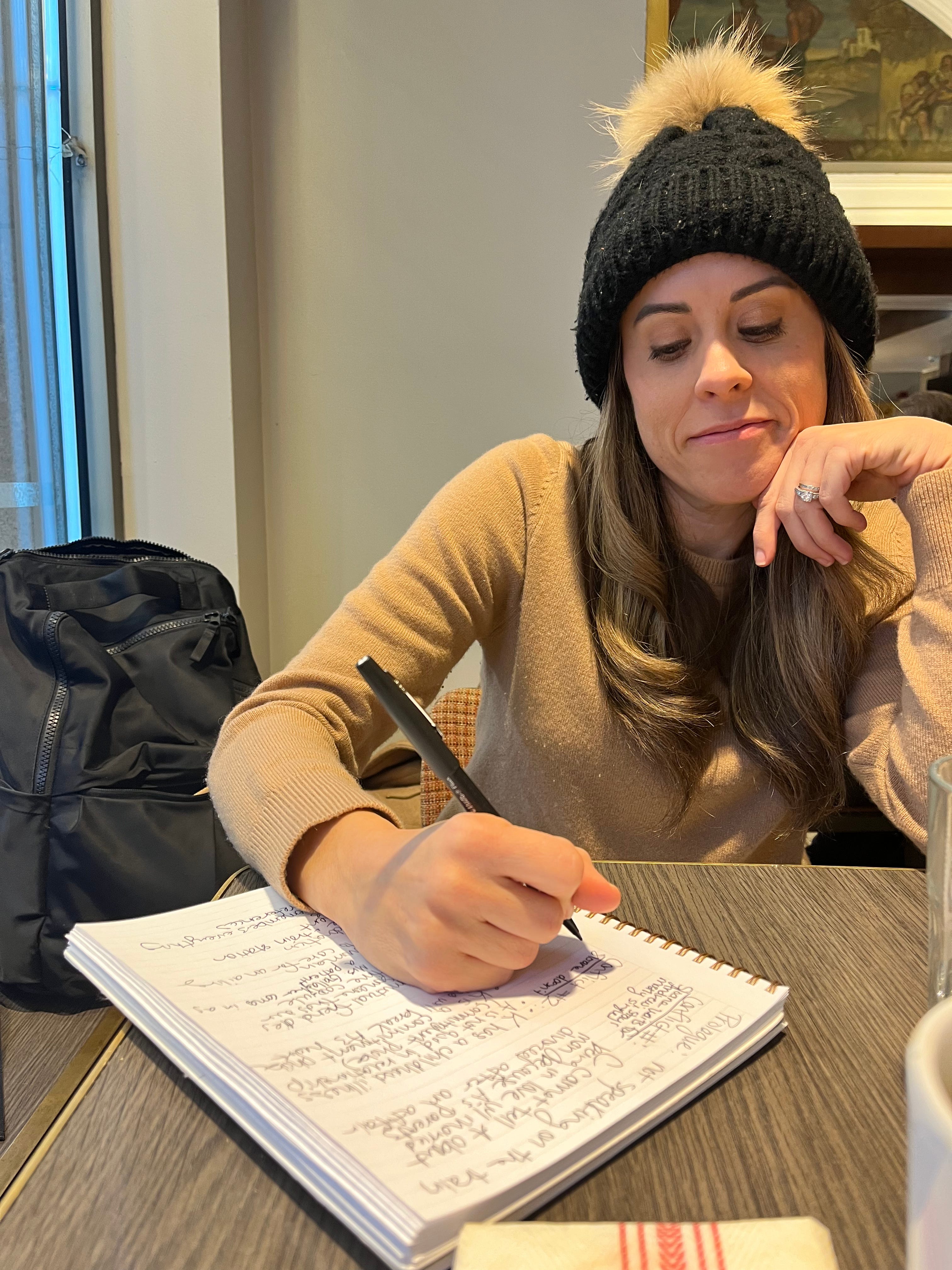
For me, winter is the ripest creative season. I love staying home, parked at my desk with a space heater beside my feet, getting lost in a project, or reading beside a crackling fire. As ambivalent as I may feel about writing, the temptation to go inward is never as strong as it is during these cold, dark months of winter.
So, this year, I am mining my scraps (is there anything quite as satisfying as stumbling upon a piece of old writing and remarking, “Wow, this is really quite good”?), hunkering down, and embracing the weird and wild reality of the writer’s life.
And if there was ever a doubt about the inescapable madness of this particular vocation, allow me to thank Betsy Lerner for introducing me to the short story, “How to be a Writer” by Lorrie Moore. I howled while reading it.
Other Craft Books to Cuddle Up With


On Writing by Stephen King: Officially the last one to this party. I know this book carries biblical status among writers, but I’ll admit that I’ve never actually read any of King’s books until now. What seems clear is that King’s voice is absolutely effortless and engaging. This book reads like a conversation among friends, one in which King, willfully persistent and dedicated to his craft, invites you to stop taking yourself so seriously and come sit on his side of the bench.
A Long Game: Notes on Writing Fiction by Elizabeth Cracken: I saw this one recommended on author Rumaan Alam’s Instagram a few months back (let us not forget the moment in which I tried, embarrassingly, to bond with him over our shared love of the Olsen twins), and I pre-ordered it right away. A Long Game is out today, and as I wait for it to arrive on my doorstep, I’m ruminating (Rumaan-ating?) on the idea of writing as a lifelong exploration. To accept this calling is to grow with it, to “play the long game,” so to speak. What a gift, to be doing this work in 30 or 40 years from now. A reminder that it’s never too late to get started — or to keep going.
The research "Squirrel!"; the What should I be writing about? dilemma I face every damn week here on Substack; the endless wandering between my laptop, and the kitchen, and the laundry, and the laptop, and the bathroom, and that other tab on my laptop I keep forgetting to look at...yeah, I feel this one. I'm a big fan of the power of Shared Human Experience. Thanks for allowing us a place to connect with our Shared Writer Experience. (Not nearly as bitching an acronym, but it gets the point across.)